Publisher
India Pharma Outlook
published at
May 29, 2025
Navigate FDA Regulatory Pathways for Oncology Facilities
How do you design an oncology manufacturing facility that doesn't just meet FDA requirements, but supports a faster, smoother approval process?
For many pharmaceutical companies, the regulatory pathway for medical devices becomes a roadblock when facility planning and FDA expectations aren't aligned from the start. Oncology drugs, especially biologics and high-potency APIs, face complex submission routes, stringent GMP controls, and time-sensitive approval pressures. This article breaks down the key FDA regulatory pathways—NDA, ANDA, BLA, RTOR, and more—and shows how they directly impact facility design, documentation, timelines, and risk management. Whether you're a pharma stakeholder or a project consultant, you'll find actionable insights to engineer compliance and approval-readiness into your oncology facility from day one.
How FDA Regulatory Pathways Shape Oncology Facility Design
The design and construction of an oncology manufacturing facility are not just engineering tasks—they’re regulatory-driven decisions. The facility must support the FDA regulatory pathway chosen for the drug product. These pathways, overseen by the FDA Oncology Center of Excellence (OCE), impact timelines, documentation, infrastructure, and operational readiness. Whether you're filing for an NDA, ANDA, or BLA, aligning facility design early with the regulatory strategy is essential.
New Drug Application (NDA) and Abbreviated New Drug Application (ANDA)
The New Drug Application (NDA) is required for new oncology drugs and includes comprehensive clinical data, Chemistry, Manufacturing, and Controls (CMC) documentation, and proposed labeling. The Abbreviated New Drug Application (ANDA) is used for generic oncology products and focuses on demonstrating bioequivalence to an already approved reference drug.
Both NDA and ANDA pathways require:
- Early facility readiness for Pre-Approval Inspections (PAIs)
- Complete CMC sections detailing facility design and control strategies
- Full GMP compliance, including zoning, containment, and cleanroom classification
This directly affects HVAC design, material and personnel flow, and automation architecture during the early-stage facility planning process.
Biologics License Application (BLA)
The BLA is specific to biologics like monoclonal antibodies, antibody-drug conjugates (ADCs), and cell-based oncology products. These therapies require:
- Submission of detailed facility layouts and process validation data
- Strong aseptic area design and cold chain capabilities
- High levels of environmental monitoring and traceability
Facility infrastructure must support single-use technologies, isolators, and Class 100/ISO 5 environments where needed. Biologics also bring more complex validation protocols, impacting timelines and construction sequencing.
Expedited Programs: RTOR and Accelerated Approval
To shorten the timeline for critical oncology therapies, the FDA introduced Real-Time Oncology Review (RTOR) and Accelerated Approval pathways.
- RTOR allows for rolling data submission, which requires earlier finalisation of CMC data and readiness of manufacturing areas well ahead of full application submission.
- Accelerated Approval is based on surrogate endpoints, making early regulatory-facility alignment critical, especially for process validation and equipment readiness.
For engineering teams, this means that design freezes, commissioning, and qualification must be fast-tracked, with flexibility built into construction schedules to meet unpredictable review timelines.
Other Key FDA Oncology Initiatives: Project Orbis, Optimus, and OREEG
The FDA is also supporting innovation in oncology approvals through three newer initiatives, which pharma leaders and construction partners must plan around:
- Project Orbis: Facilitates simultaneous review with global regulatory agencies. Facilities must be globally inspection-ready, not just FDA-compliant.
- Project Optimus: Focuses on dose optimisation in clinical trial design, which could lead to mid-phase shifts in process scale, impacting facility layout flexibility.
- OREEG (Oncology Real-Time Endpoints and Engagement Guidance): Encourages early and consistent communication with FDA, helping sponsors get clarity on endpoints and technical requirements early enough to influence facility specs.
Each initiative accelerates approvals—but demands earlier regulatory engagement, which in turn drives early engineering alignment and tighter construction control.
Regulatory Requirements for Oncology Manufacturing Facilities
Oncology manufacturing facilities are held to some of the highest regulatory standards due to the potency and complexity of cancer therapies. From layout planning to environmental control, each design decision must align with FDA regulatory pathways to ensure product quality, operator safety, and regulatory approval.
Designing for compliance is not optional—it’s foundational. The FDA’s 2004 Guidance for Industry on Sterile Drug Products Produced by Aseptic Processing outlines the expectations for sterile facilities, which often apply to oncology setups due to cytotoxic product handling and injectable dosage forms.
Good Manufacturing Practices (GMP) and Q7A Guidance
GMP guidelines form the backbone of compliant facility design. They govern everything from material flow and equipment layout to cleanroom classification and personnel hygiene protocols.
For facilities handling oncology APIs (especially cytotoxic or high-potency compounds), the ICH Q7A guidance offers specific design and control expectations:
- Physical segregation of high-potency areas to prevent cross-contamination
- Closed-system operations wherever feasible
- Validated HVAC and cleaning systems that meet the particulate and microbiological control thresholds
- Controlled air pressure differentials, HEPA filtration, and airlocks to manage product and personnel flow
Facilities must also be designed to support ongoing GMP compliance, not just to pass initial inspections.
Documentation and Compliance Measures
Comprehensive and up-to-date documentation is essential for regulatory submission, FDA inspections, and day-to-day operations. During design and construction, documentation should include:
- Facility layout drawings detailing material/personnel flow, segregation, and pressure zones
- Validation Master Plans (VMPs) outlining equipment, utilities, and process validation
- Environmental Monitoring (EM) protocols aligned with ISO cleanroom classifications
- Utility schematics for HVAC, purified water systems, and pressure cascade maps
- Construction Quality Assurance (CQA) records, such as Installation Qualification (IQ) and Operational Qualification (OQ)
Missing or inconsistent documentation is one of the most frequent causes of 483 observations and approval delays.
Facility Design Compliance: GMP and FDA Expectations
To meet both FDA and GMP expectations, oncology manufacturing facilities must be purpose-built, not retrofitted from generic layouts. Key design elements include:
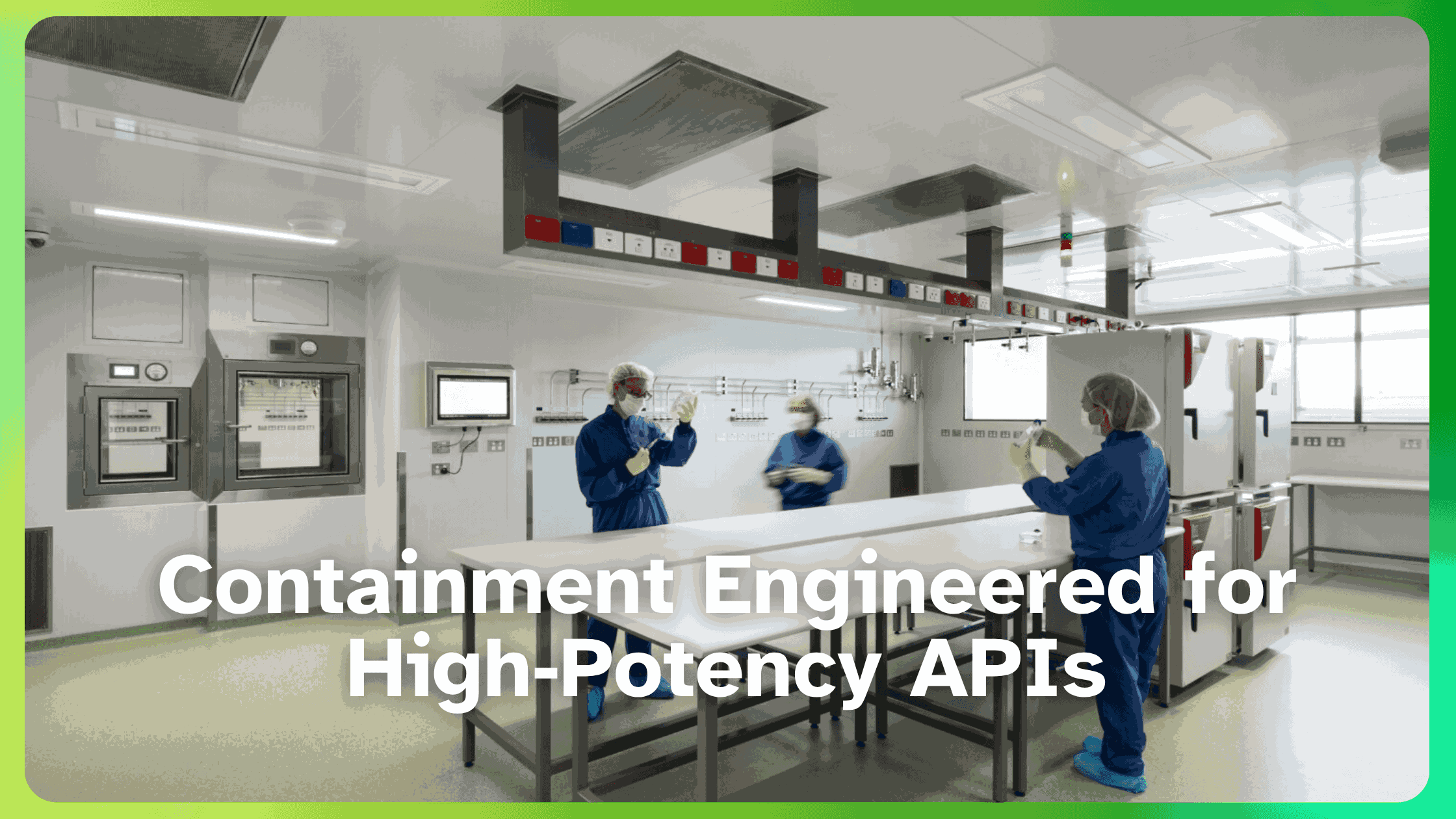
- Dedicated suites or isolators for manufacturing cytotoxic APIs or drug products
- Airlocks, pass-throughs, and zoned classifications (ISO 5, 7, or 8) to maintain aseptic integrity
- Restricted access control, CCTV monitoring, and personnel gowning areas to prevent breaches
- Design for containment, including proper exhaust handling and facility pressurisation to protect both products and personnel
The FDA expects facilities to demonstrate control-by-design, not just compliance during inspection. This is why engineering teams must work in tandem with QA/RA from the early concept phase.
For pharma construction partners, building FDA-compliant oncology facilities isn’t just about cleanroom specs—it’s about embedding regulatory intelligence into every square metre. Inotek brings GMP expertise, engineering rigour, and FDA-aligned documentation practices to ensure your facility is inspection-ready from day one.
Timelines and Milestones in the FDA Approval Process
When building an oncology manufacturing facility, regulatory approval planning must begin well before construction starts. The FDA’s drug development and approval process outlines key interactions and submission stages that impact project schedules. For facilities supporting NDAs, ANDAs, or BLAs, aligning construction timelines with FDA regulatory milestones is critical to avoid downstream delays.
The overall journey from concept to commercial licensure involves multiple interlinked phases, including:
- Early FDA engagement (Pre-IND or Pre-BLA meetings)
- Clinical trial planning (if applicable)
- Facility build and qualification
- CMC documentation and submission
- Pre-approval inspection (PAI)
- Final FDA decision and post-approval commitments
Each of these milestones must be reflected in the facility design and construction Gantt chart to ensure that the regulatory and engineering teams move in sync.
Critical Milestones and Potential Bottlenecks
Delays in FDA approvals often have little to do with product quality and more to do with misaligned facility timelines or incomplete documentation. The following milestones are non-negotiable checkpoints pharma firms and engineering partners must plan for:
- Pre-IND or Pre-BLA meetings: These early discussions clarify expectations for facility controls, process validation, and inspection readiness.
- Design Qualification (DQ) and Construction Reviews: Engineering teams must verify that layouts, zoning, and clean utilities match the product and process risk level.
- IQ/OQ/PQ (Installation, Operational, and Performance Qualification): These qualification steps validate that the facility, equipment, and processes work as intended, often overlapping with FDA submission timelines.
- PAI (Pre-Approval Inspection) Readiness: The FDA may inspect facilities before product approval. Any issues at this stage can lead to Form 483 observations, CRLs (Complete Response Letters), or submission delays.
Common bottlenecks include:
- Incomplete or unvalidated HVAC and utility systems
- Uncoordinated document control during construction
- Last-minute changes to equipment or layout, requiring requalification
- Delays in drafting or approving CMC sections linked to facility controls
Avoiding these pitfalls requires tight coordination between regulatory, engineering, and QA teams, with support from experienced partners who understand both GMP facility design and regulatory pacing.
Risk Mitigation Strategies in Facility Design and Construction
Designing an oncology facility that meets FDA regulatory expectations is not just about construction quality—it’s about planning for compliance from the ground up. Proactive risk management during the design and build phase can significantly reduce delays, cost overruns, and regulatory non-conformities.
FDA’s Guidance for Aseptic Processing highlights how poor integration of regulatory planning in early phases often leads to inspection failures and submission setbacks.
Common Regulatory Pitfalls
Many pharma manufacturing facilities run into trouble not because of poor execution, but due to oversights during planning and design. Some of the most common regulatory pitfalls during oncology facility construction include:
- Lack of dedicated zones for high-potency APIs (HPAPIs) — leading to cross-contamination risks
- Incomplete HVAC system documentation, especially around pressure differentials and airflow diagrams
- Delayed commissioning and qualification activities, which compress validation timelines before submission
- Facility design misaligned with finalised process parameters, forcing retrofits post-construction
- Insufficient environmental control planning — impacting cleanroom classifications or isolator performance
Each of these issues can trigger Form 483s, delay Pre-Approval Inspections (PAIs), or result in a Complete Response Letter (CRL). For pharma-construction firms, addressing these risks early is part of delivering an audit-ready facility.
Proactive Engagement with the FDA
One of the most effective risk mitigation strategies is early and structured engagement with the FDA. The agency offers multiple pathways for sponsors and project teams to gain clarity before designs are finalised or filings are submitted.
Key opportunities for early consultation include:
- Pre-IND and Pre-BLA Meetings: Clarify expectations for facility layout, contamination control, and process validation
- Type C Meetings: Discuss specific design features, equipment configurations, and HVAC strategies
- Facility-Focused Interactions: Address unique challenges in oncology manufacturing, such as HPAPI handling, segregation, or cleaning validation
According to the FDA’s guidance on formal meetings with sponsors, engaging early improves design accuracy, reduces the risk of inspection surprises, and increases the overall confidence in regulatory submissions.
For stakeholders working on oncology projects, this means involving regulatory experts before construction drawings are frozen. Firms bring added value here by integrating design engineering with FDA-aligned risk reviews, ensuring fewer revisions, faster commissioning, and smoother approval timelines.
Case Studies: Successful Navigation of FDA Regulatory Pathways
Successfully navigating FDA regulatory pathways demands early strategy, robust facility design, and alignment between engineering, quality, and regulatory teams. The following case studies show how real-world companies managed these elements to bring oncology products to market while ensuring GMP-compliant, inspection-ready facilities.
Jazz Pharmaceuticals: Fast-Tracking Rylaze Approval via RTOR
Jazz Pharmaceuticals secured FDA approval for Rylaze (JZP458)—a recombinant erwinia asparaginase used in treating acute lymphoblastic leukaemia (ALL)—through the Real-Time Oncology Review (RTOR) and Project Orbis pathways. This approval addressed a critical unmet need due to supply shortages of previously available treatments.
Key Regulatory Strategies:
- Jazz engaged in early dialogue with the FDA, securing RTOR eligibility, which allowed data modules to be reviewed prior to full application submission
- The product was reviewed under Project Orbis, enabling parallel submission and review with international regulatory bodies (e.g., TGA and Health Canada).
- Submission included well-documented Chemistry, Manufacturing, and Controls (CMC) sections aligned with the latest GMP expectations.
Facility Alignment:
- Manufacturing readiness was critical—Jazz ensured GMP compliance, validation of aseptic fill/finish operations, and real-time batch release tracking.
- Pre-approval inspection (PAI) preparation began months in advance, including walkthrough simulations and reviews of audit trails.
Lessons for Pharma-Construction Teams:
- RTOR compresses timelines, which means engineering, commissioning, and validation (IQ/OQ/PQ) must be initiated alongside clinical data generation.
- Facilities must be inspection-ready even before final module submission—something only achievable with detailed forward planning.
This case proves how early alignment between regulatory and facility design teams enables success in expedited approval pathways. Engineering firms must anticipate compressed timelines and proactively support modular documentation and inspection readiness to ensure seamless project execution.
Novugen: Building a Future-Ready Oncology Manufacturing Facility
Novugen, a subsidiary of SciTech International, developed one of Malaysia’s first FDA-aligned oncology manufacturing facilities, capable of producing high-potency APIs (HPAPIs) and oral solid dosage (OSD) formulations for cancer treatment. The facility was built with global compliance goals from the outset, incorporating US FDA, EMA, and WHO GMP standards.
Key Facility and Compliance Elements:
- Purpose-built for cytotoxic and cytostatic drugs, incorporating containment strategies, airlocks, pressure differentials, and restricted-access zones.
- Design included fully segregated production suites, dedicated HVAC systems for potent compounds, and validated automated material handling.
- Facility features modular cleanroom panels, HEPA filtration, and real-time BMS (Building Management System) integration to monitor environmental conditions.
Regulatory Readiness:
- Novugen’s documentation aligned with ICH Q7A, covering everything from HVAC design schematics and personnel flow to validation master plans.
- Their strategic goal was to de-risk the pre-approval inspection process by over-preparing and submitting site master files, SOPs, and utility validations with their first application.
Outcome:
- Within three years of project initiation, the facility received WHO PQ and GCC approvals, and Novugen has since filed multiple Abbreviated New Drug Applications (ANDAs) with the US Food and Drug Administration (USFDA).
- The site is now positioned to support contract manufacturing for oncology drugs globally, leveraging its compliance-first design.
This case illustrates how end-to-end facility planning—from zoning and HVAC design to documentation strategy—enables regulatory success. Inotek’s value lies in integrating GMP expectations during blueprint stages, avoiding costly redesigns, and speeding up validation.
Both case studies show that regulatory approval and facility design are inseparable in oncology manufacturing. Whether fast-tracking through RTOR or building a new site from scratch, success depends on:
- Early and proactive engagement with the FDA
- Alignment of CMC and engineering timelines
- A GMP-first approach to facility design and documentation
This is precisely where we add value—ensuring that facility development supports your regulatory pathway for medical devices from day one. From concept to commercialisation, Inotek helps you engineer confidence into every inspection.
Partner with Inotek to Master FDA Regulatory Pathways
Successfully navigating FDA regulatory pathways isn’t just about meeting documentation standards or passing inspections—it’s about designing, building, and validating a facility that’s ready for regulatory scrutiny from day one. That requires deep expertise in oncology manufacturing, a practical understanding of GMP and FDA expectations, and the ability to align every construction milestone with your submission strategy.
That’s where Inotek comes in.
Recognised among the Top 10 Pharma Turnkey Contractors & Project Consultants in 2022 & 2025, Inotek supports pharmaceutical companies at every stage of their oncology facility journey:
✅ GMP-compliant layout planning tailored for oncology (HPAPI handling, sterile fill-finish, containment zones)
✅ Regulatory-aligned documentation packages, including DQ/IQ/OQ/PQ protocols and validation master plans
✅ Design–build–validate execution, engineered for accelerated pathways like NDA, BLA, ANDA, RTOR, and Orbis
✅ Inspection readiness consulting to reduce the risk of Form 483s and project delays
Whether you're building a greenfield site or retrofitting an existing plant for oncology manufacturing, Inotek ensures your facility is engineered for regulatory success.
FAQs
What are the key FDA regulatory pathways for oncology facilities?
The key FDA regulatory pathways for oncology facilities include the New Drug Application (NDA), Abbreviated New Drug Application (ANDA), and Biologics License Application (BLA). Fast-track options like RTOR and Project Orbis further accelerate approvals, influencing facility design, compliance documentation, and inspection timelines.
How can an oncology manufacturing facility that meets FDA requirements be designed?
To meet FDA requirements, an oncology manufacturing facility design must align with GMP standards, support segregation of high-potency APIs, maintain ISO-classified cleanrooms, and ensure HVAC validation. Early coordination with regulatory strategy ensures the facility supports the chosen FDA regulatory pathway for medical devices from the design phase itself.
Why is understanding the regulatory pathway crucial for oncology drug approval?
Understanding the regulatory pathway for medical devices is essential because it dictates documentation standards, inspection timing, facility readiness, and process validation scope. Misalignment can delay oncology drug approval, trigger Form 483s, or require requalification, impacting both timelines and costs for pharmaceutical companies.
Can pharma construction companies like Inotek simplify FDA compliance?
Yes, firms like Inotek simplify FDA compliance by integrating regulatory requirements into every stage of oncology manufacturing facility design and construction. Their expertise in GMP, validation, and documentation ensures that engineering decisions support the facility’s readiness for audits and FDA approval.